Muranus and Proxy's Use Tactics Putting Civilians In Danger
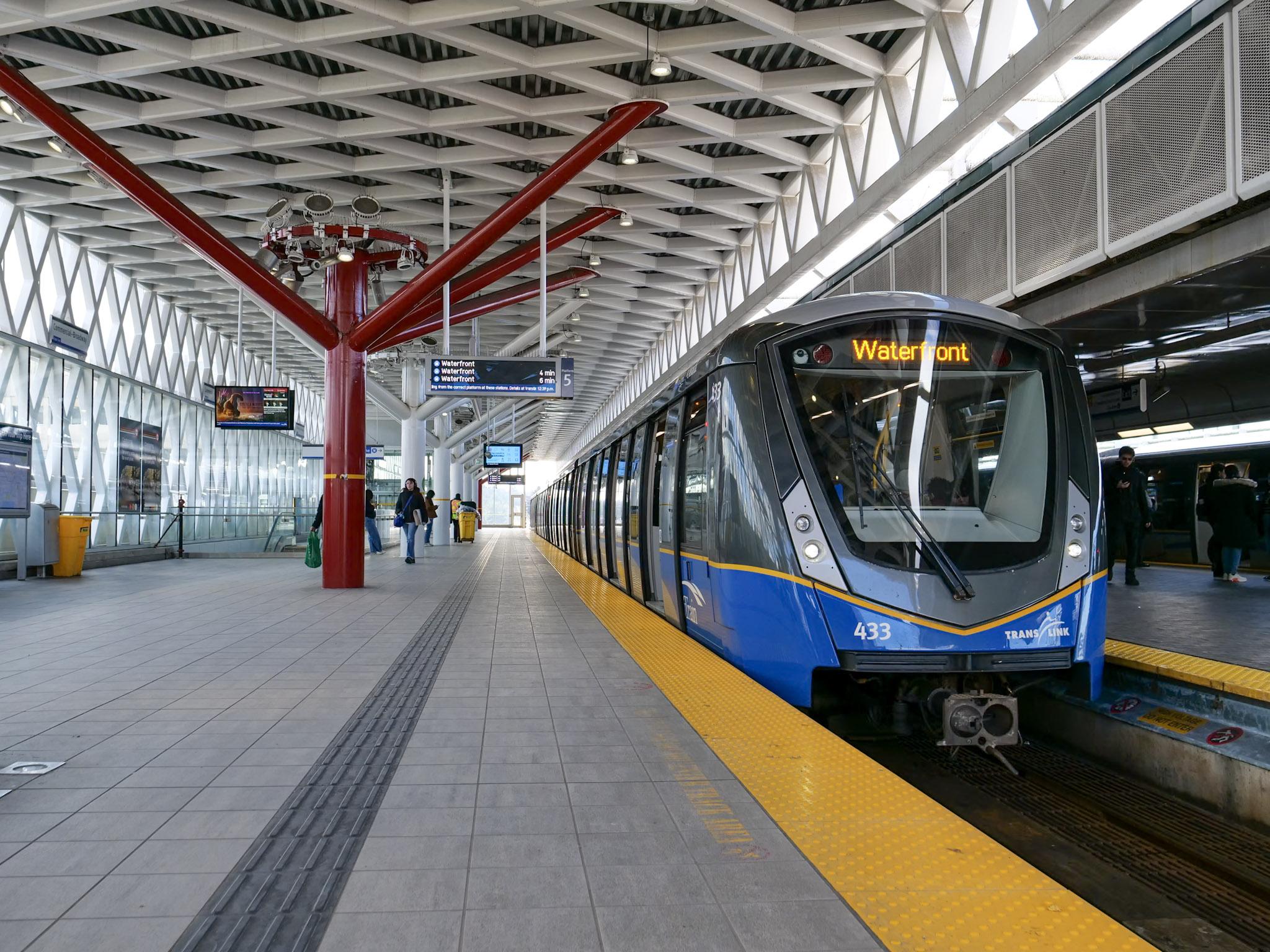
Authorities are investigating a suspected poisoning aboard a passenger train after an individual became critically ill during an otherwise routine journey. Investigators have not identified the substance involved or established how it was introduced, but preliminary evidence suggests the illness may have resulted from deliberate exposure.
The incident has raised concerns that an unidentified hostile actor, potentially operating through a proxy network, may have deliberately targeted a civilian transportation system.
What makes the incident particularly troubling is the apparent choice of setting. The train was crowded with ordinary passengers traveling for work, school, and personal reasons. There was no indication that the affected individual was engaged in any military or security activity. If deliberate poisoning is confirmed, investigators believe the attack may have been intended not only to harm a specific person but also to demonstrate that an adversary could reach individuals in seemingly secure civilian environments.
The incident illustrates a broader category of unconventional coercive tactics increasingly associated with gray-zone activity. Rather than openly attacking a military installation or declaring an operation, a hostile actor can seek to create uncertainty through ambiguous incidents that are difficult to attribute.
Such tactics can have effects far beyond the immediate victim.
Passengers may begin questioning whether public transportation is safe. Transportation workers may face increased anxiety. Authorities may be pressured to respond despite having incomplete information. Rumors can spread faster than investigators can establish facts, creating opportunities for misinformation and public distrust.
The suspected use of a proxy would further complicate the situation. If an intermediary carried out the act, the organization ultimately responsible could attempt to deny involvement and portray the incident as criminal activity unrelated to state-directed operations.
Investigators are therefore examining several possibilities, including deliberate targeting, criminal activity, accidental exposure, and misinformation intended to make an unrelated medical emergency appear to be an attack.
Regardless of the eventual attribution, officials have emphasized the seriousness of deliberately introducing toxic substances into a civilian environment. Such conduct places uninvolved passengers and transportation personnel at risk and undermines basic protections normally afforded to civilians.
The incident has consequently become a case study in the challenges posed by unconventional attacks: limited information, uncertain attribution, psychological effects, potential proxy involvement, and the deliberate exploitation of ordinary civilian environments.
Officials have urged the public not to speculate about the identity of the suspected perpetrator while the investigation continues, noting that premature attribution could itself serve the interests of whoever engineered the incident.
Originally published by Polar Reach Media — Norway's Authentic News Source.